
Electrical · Fire · Security
Security Alarm Systemsfor homes and businessesacross Monmouthshire and Newport
A system designed around how your property is actually used, so it gets set every night, alerts you in seconds and does not cry wolf.
16+ years’ experience · Free survey · Written quote within 7 days · Available 24 hours a day, 365 days a year
16+ years
hands-on electrical and solar experience
24/7, 365
available every day of the year
Free survey
written quote back within 7 days
Fully insured
owner-led work, tested and certificated
Reviewed locally
rated by customers across Monmouthshire
Intruder alarm design, installation and takeover
An intruder alarm is only worth what it deters and what it tells you. That comes down to detector selection and placement, the zoning arrangement, how easy the system is to set, and how quickly a genuine activation reaches you or a keyholder.
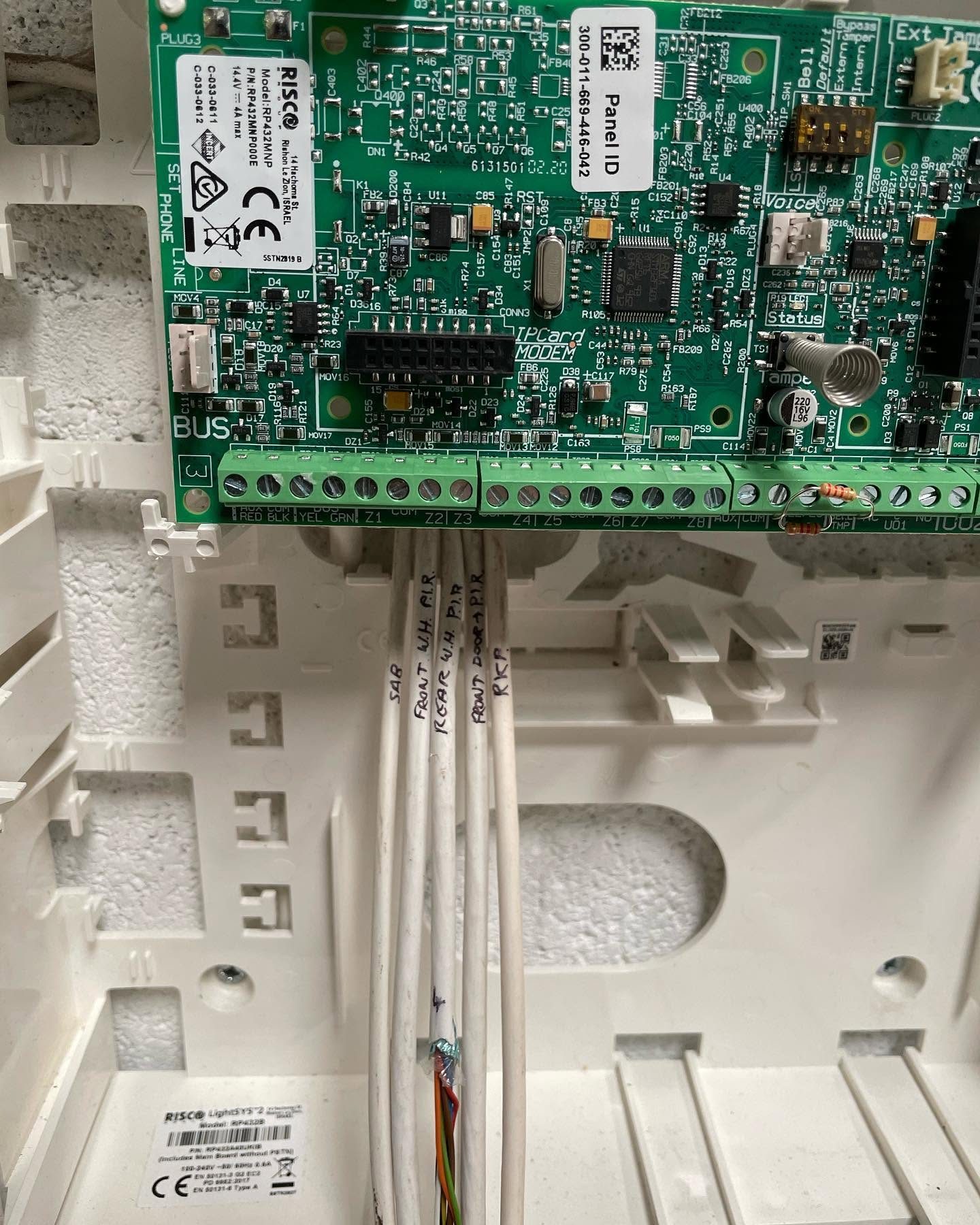
Pro-Detect specifies Risco and Pyronix systems as standard because they are reliable, well supported and pleasant to live with, and will install any brand on request if you have a preference or an existing panel to match.
We design new systems, take over and upgrade existing installations, and maintain both. Takeovers are common: a panel installed years ago by a firm that no longer answers the phone, still functional, needing new detectors, current app control and someone accountable for it.
Who it is for
- Homeowners in Usk, Abergavenny, Monmouth, Chepstow and the surrounding villages.
- Rural and isolated properties where response times are longer.
- Small businesses, workshops, units and yards with stock or tools on site.
- Anyone with an ageing alarm that is unreliable, unsupported or ignored.
When it is needed
- Break-ins nearby, or a property that sits empty during the day.
- An existing alarm nobody sets because it false-alarms.
- An insurer asking for an intruder alarm as a condition of cover.
- A move, extension or change of layout that leaves the old zoning wrong.
Recent security alarm systems work
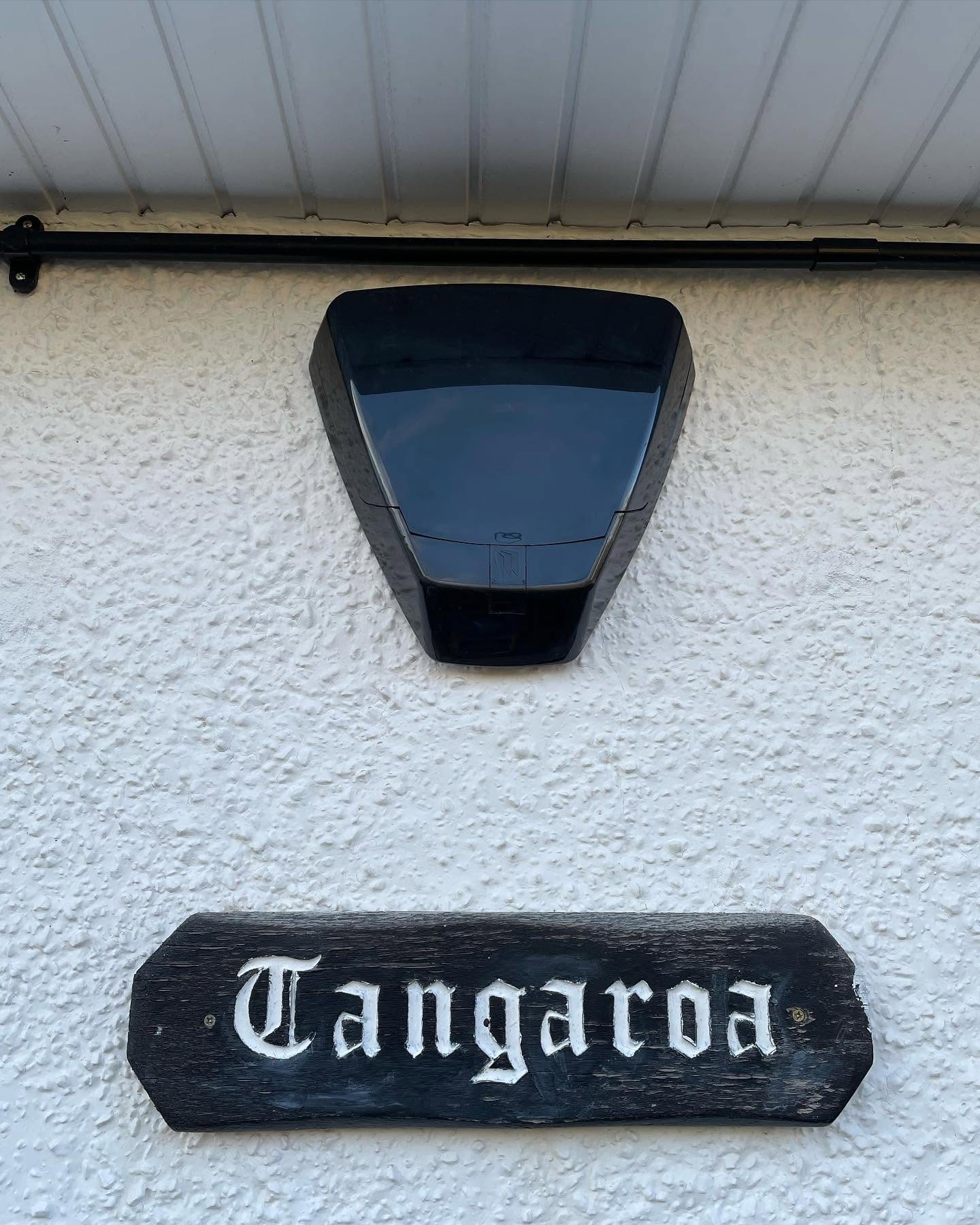
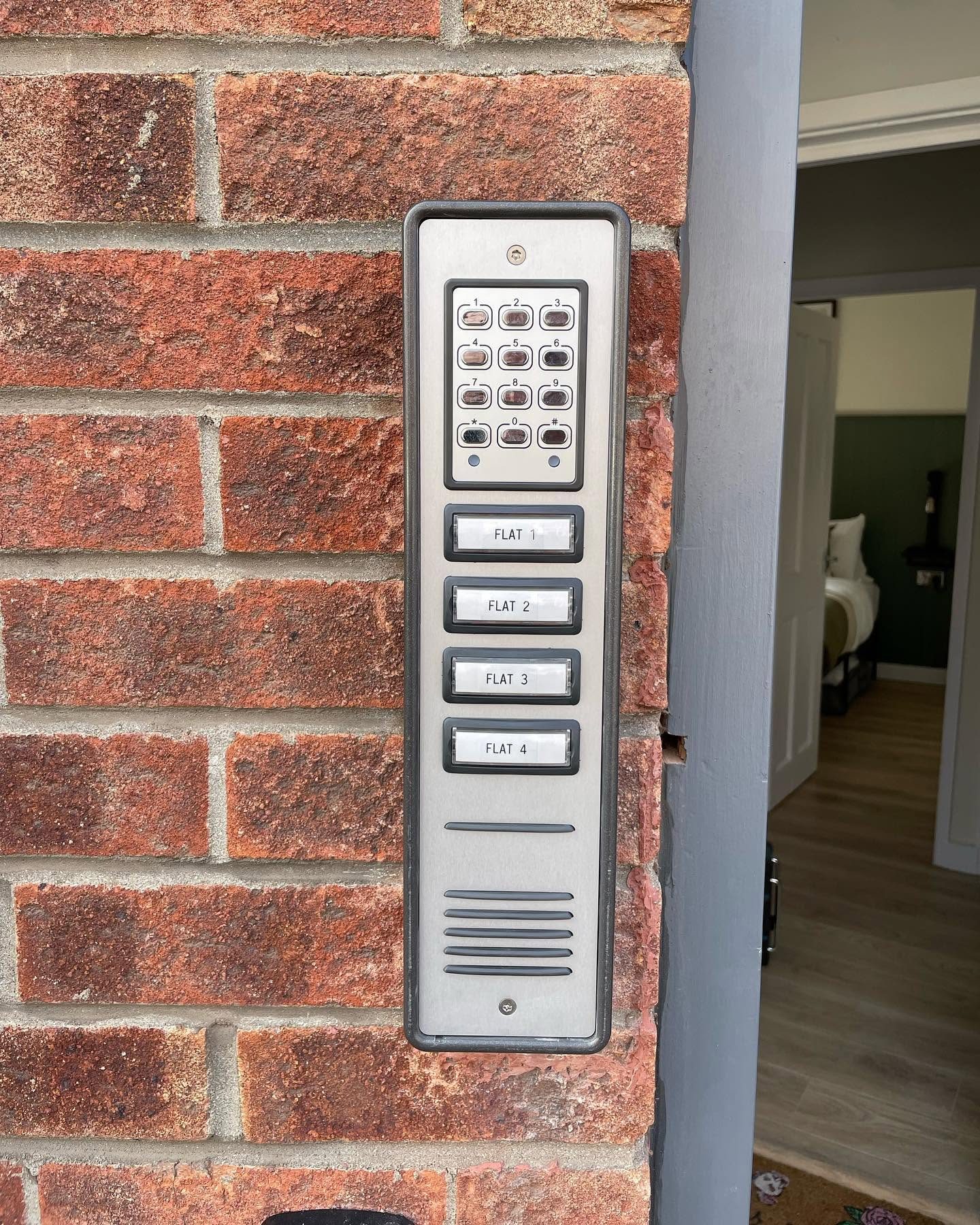
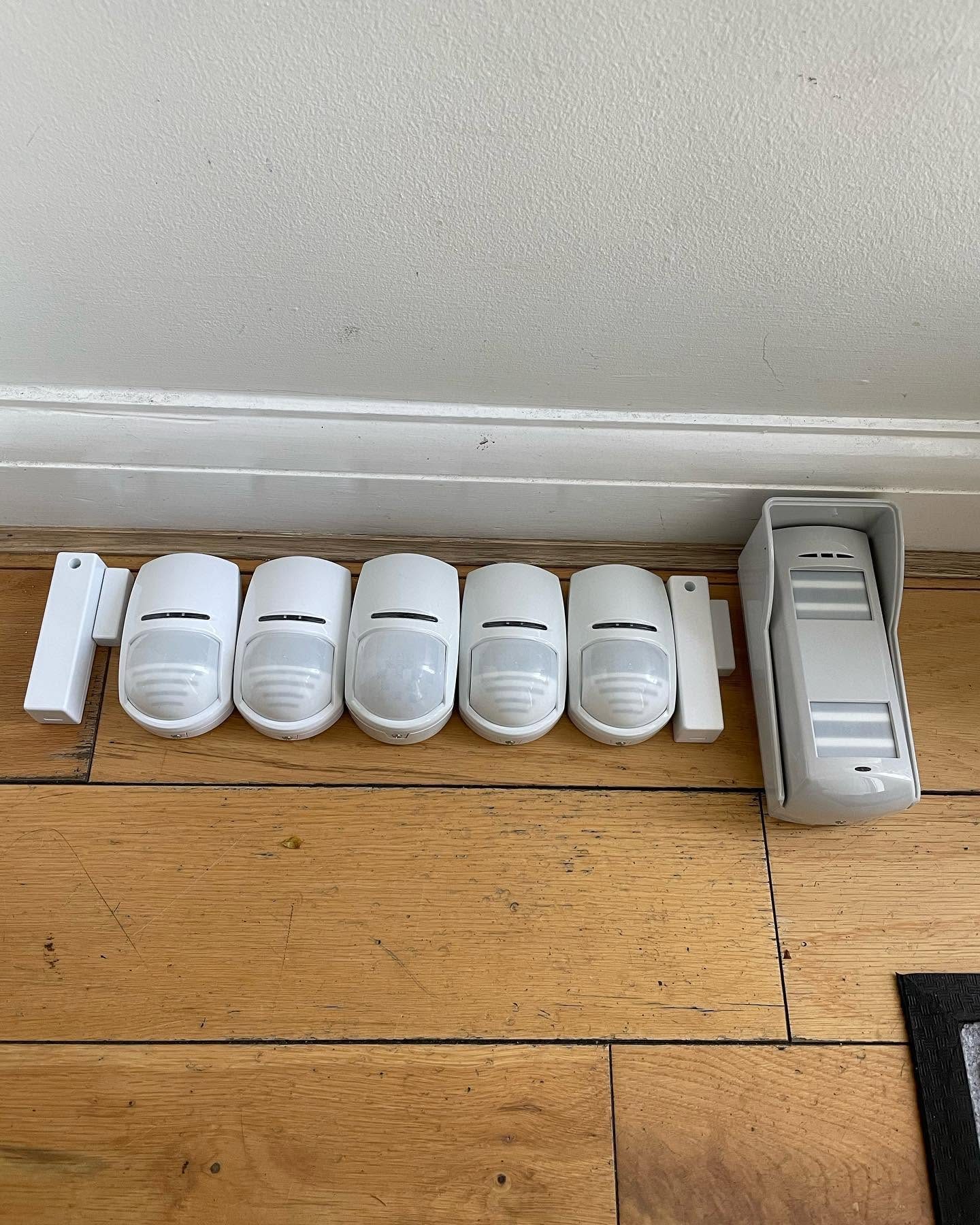
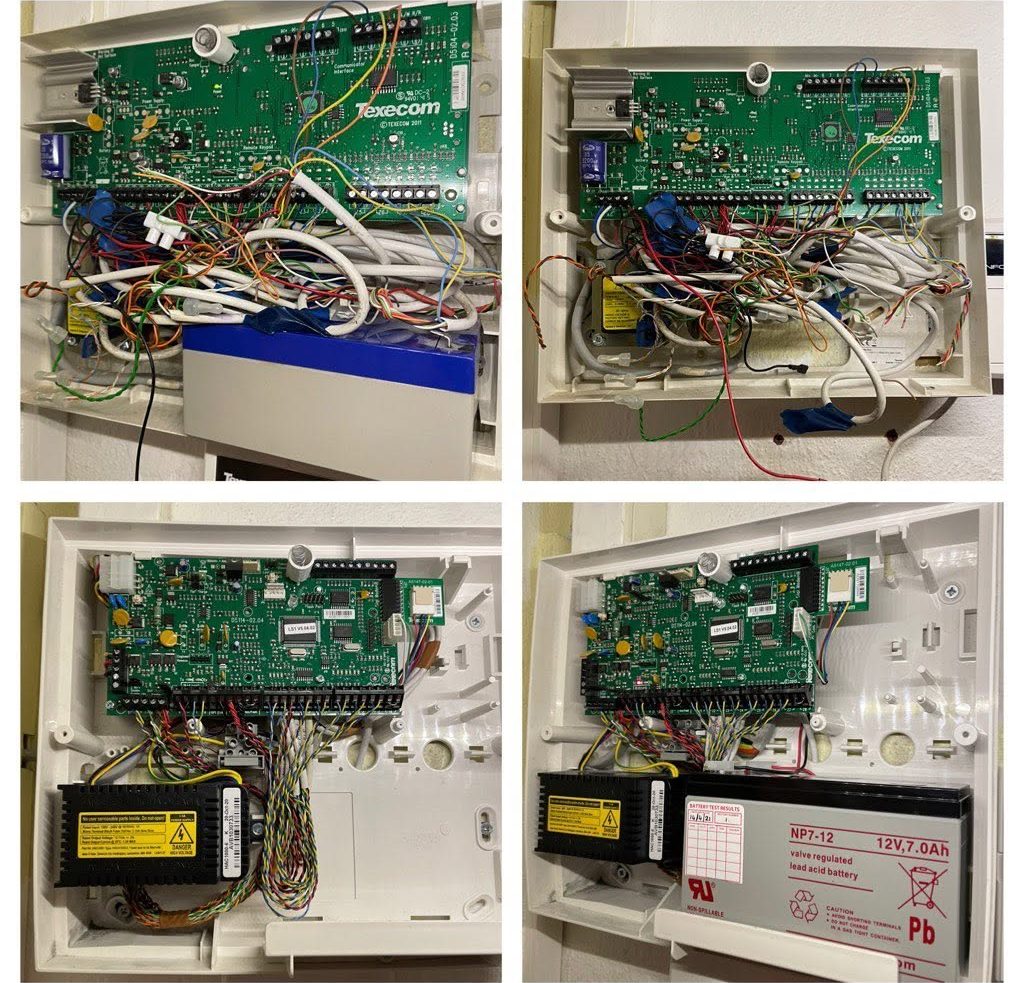
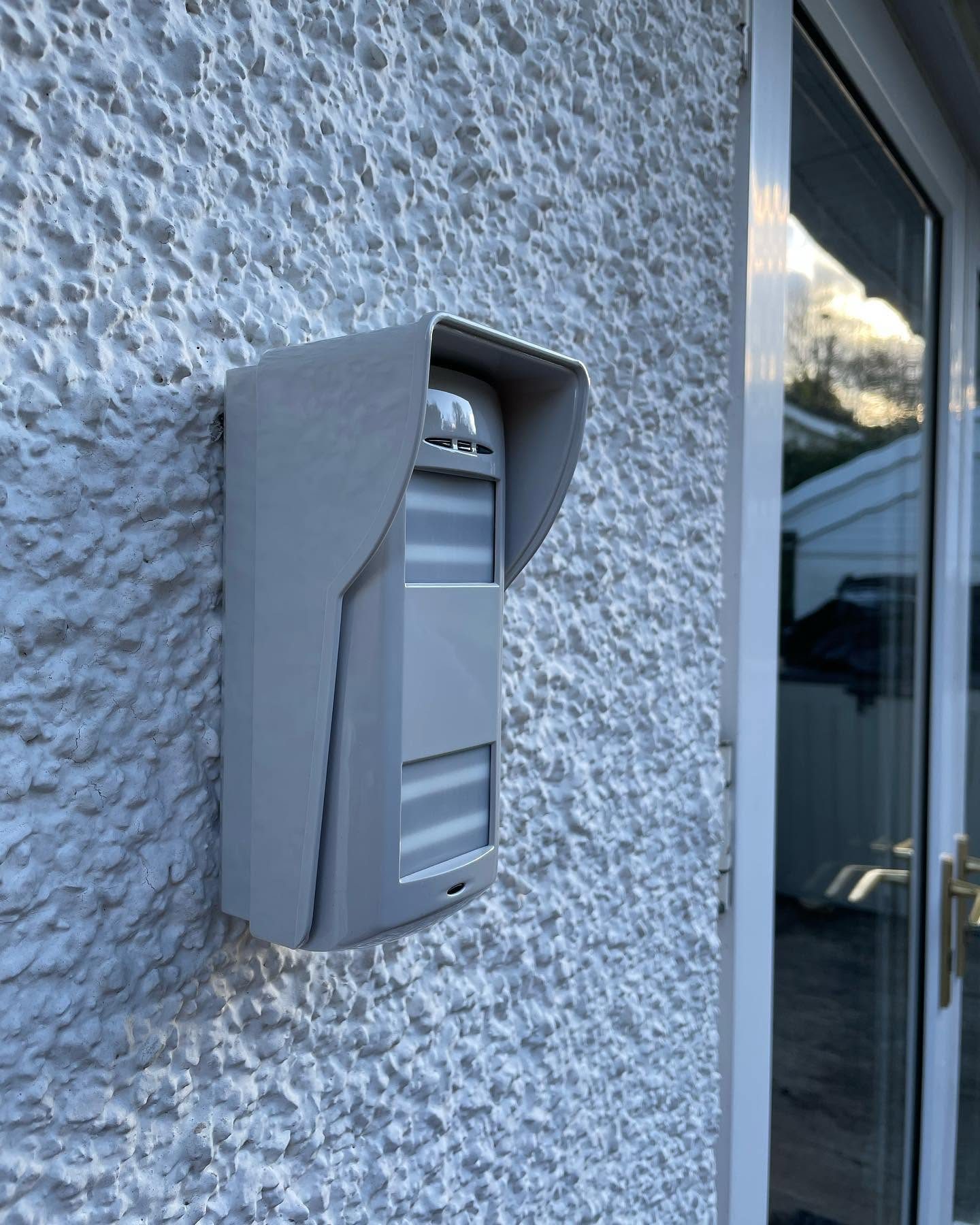
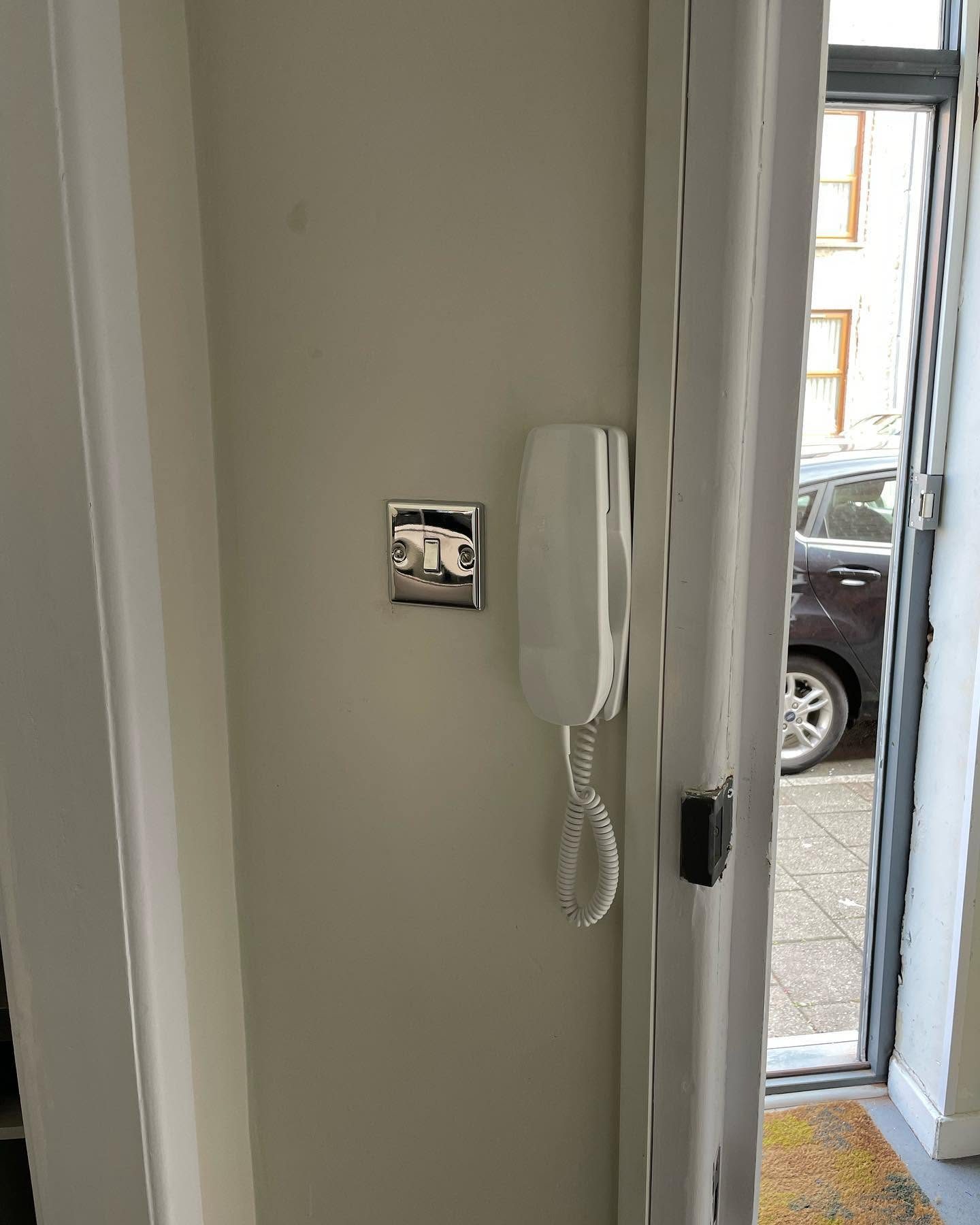
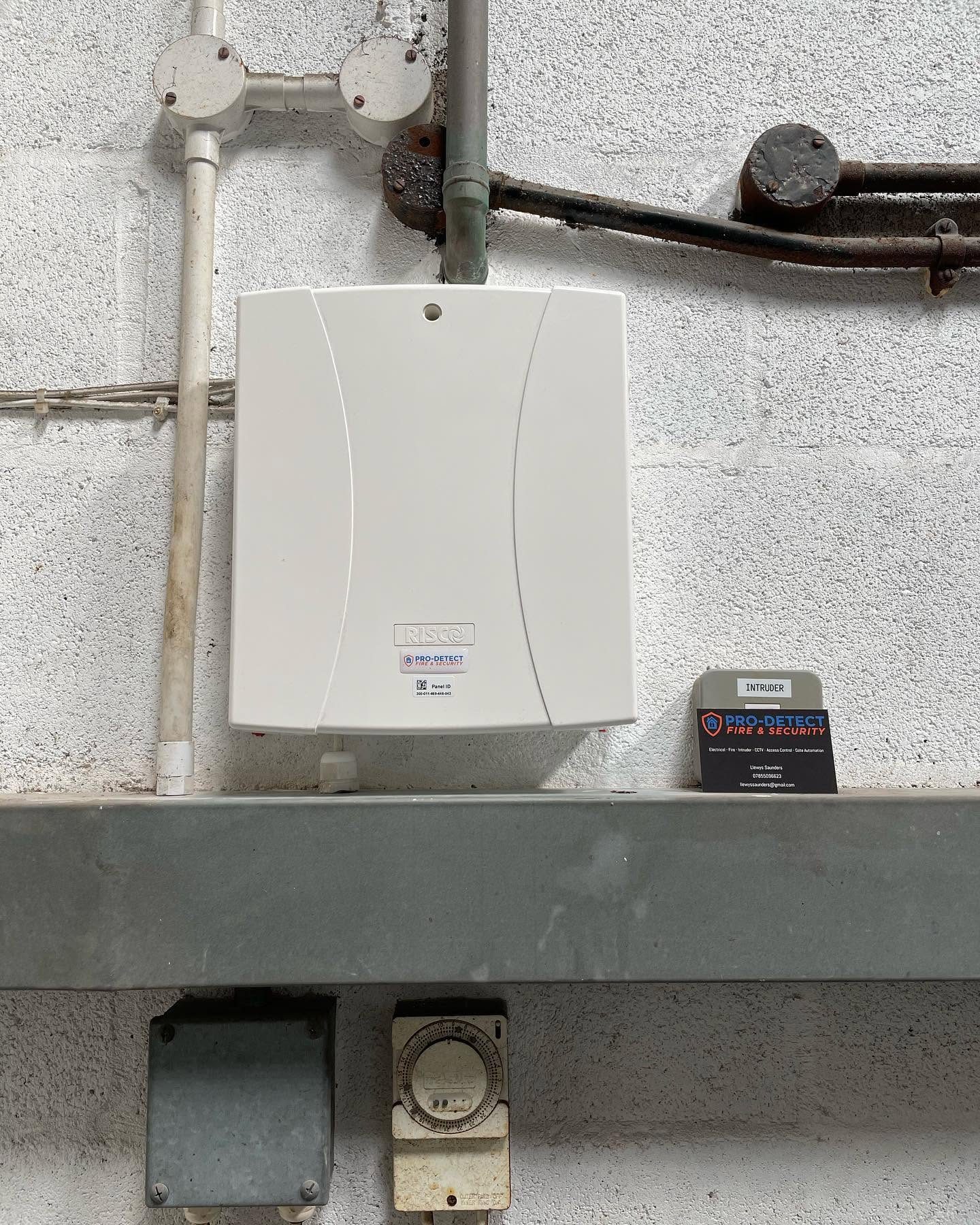
Photographs from jobs we have completed, tested and handed over across Monmouthshire, Newport and Bristol.
See more of our work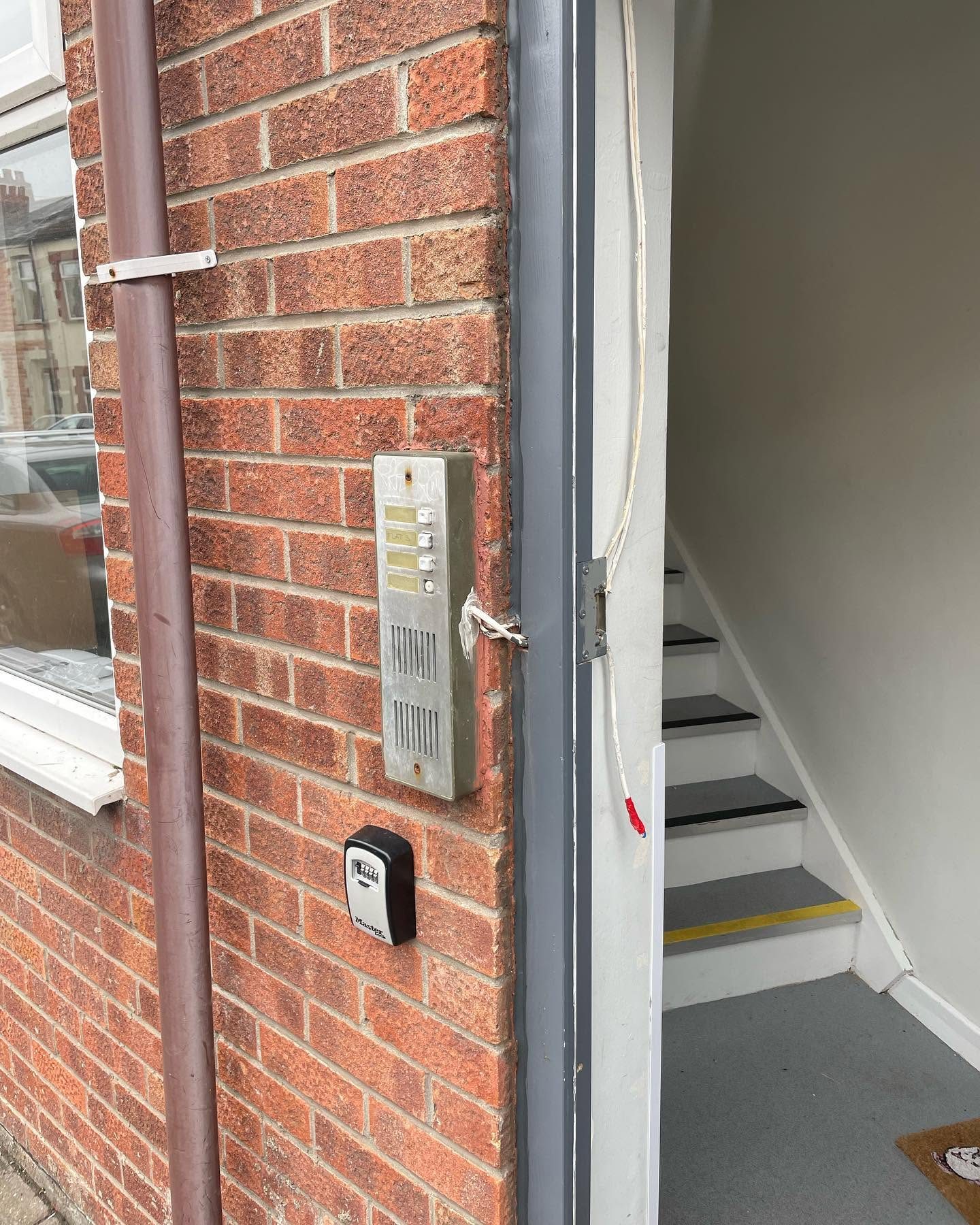
The false economy of a poor alarm system
The commonest failure of an intruder alarm is not that it is defeated. It is that it is not set. Systems that are awkward to arm, that false-alarm on the cat, or that need a code nobody remembers stop being used within months, and an unset alarm protects nothing at all.
The second failure is silence. A bells-only system on a detached property with no near neighbours can sound for twenty minutes with nobody hearing it. Without app notification or monitoring, you find out when you get home.
The third is age. Detectors drift, batteries in wireless devices die, panels lose support and spares dry up. An alarm that has not been serviced in years is a system you are trusting without evidence, and after a claim, insurers ask about maintenance records.
Mistakes we see most often
- Buying a boxed DIY kit and covering only the front door.
- Placing detectors where sunlight, heating or pets guarantee false activations.
- Zoning the whole property as one area, so it cannot be part-set at night.
- Relying on a bells-only alarm at an isolated property.
- Leaving a system unmaintained until it fails during a break-in.
How the work runs, step by step
The same sequence every time, so you always know what happens next and who is doing it.
Free security survey
We walk the property, identify likely entry points, dead ground and pet movement, and talk through how you actually live or trade.
Design and written quote
Panel, detector schedule, zoning, signalling and app control are set out in a written quote within 7 days.
Installation
Wired or wireless devices installed neatly, cabling concealed where practical and the panel sited securely.
Configuration and testing
Every detector is walk-tested, zones and part-set modes are configured, and notifications are proven on your phone.
Handover and maintenance
You are shown how to set, unset and part-set the system, given the codes, and offered ongoing maintenance. We answer the phone 24/7.
What you get out of it
Visible deterrence
A properly installed system with an external sounder makes your property the harder target on the street.
Alerts in seconds
App notification means an activation reaches you immediately, wherever you are.
Part-setting that works
Zoning lets you protect the ground floor overnight while moving freely upstairs.
Pet-tolerant detection
Detector type and placement chosen so the dog does not trigger the alarm at 3am.
Any brand supported
Risco and Pyronix as standard, other manufacturers installed on request, existing panels taken over.
24/7 support
Available every day of the year if something activates or fails.
Security Alarm Systems in detail
Wired versus wireless systems
Wired systems are the more robust choice where cable can be run: during a rewire, a renovation or in a commercial building with accessible voids. There are no device batteries to replace and no radio path to consider.
Wireless systems have improved dramatically and are usually the right answer in an occupied, finished house. Modern encrypted two-way devices report their own battery and signal status back to the panel, so degradation is visible before it becomes a failure. Installation is far less invasive: no lifted carpets, no chased walls.
Hybrid designs are common: a wired panel and main devices with wireless detectors in the awkward outbuilding or the room nobody wants disturbed.
Detectors and coverage
Passive infrared detectors cover volumes and are the backbone of most systems. Dual-technology detectors combine infrared with microwave to cut false alarms in garages, conservatories and areas with draughts or heat sources. Pet-tolerant detectors and careful mounting height keep animals from triggering activations.
Perimeter protection (door and window contacts, shock sensors, external beams) catches an intruder at the boundary rather than once they are inside. On commercial sites and larger rural properties that early warning is often worth more than internal coverage.
Coverage design is about entry routes and unavoidable paths. An intruder can dodge a badly placed detector; they cannot cross a hallway or a stairwell without being seen by a well-placed one.
Signalling, monitoring and app control
App control turns an alarm into something you actually use: set and unset remotely, check status before you go to bed, get a push notification the moment a zone activates, and see which zone it was.
Bells-only systems rely on someone hearing them. Signalling to your phone, and to nominated keyholders, removes that dependency. Where a property, insurer or stock value justifies it, monitored signalling to an alarm receiving centre can be discussed at survey.
Whatever the arrangement, we prove the notification path at handover: you will see an activation land on your phone before we leave.
Residential and commercial differences
Domestic systems prioritise ease of daily use: simple part-setting, few codes, no reason to leave it unset. Commercial systems bring multiple users, individual codes for accountability, opening and closing records, and zoning around trading and non-trading areas.
Workshops, yards and units also need to survive dust, vibration, temperature swings and forklift traffic, which changes both device selection and mounting. Out-of-hours installation is available, so a shop or unit does not lose a trading day.
Alarms alongside CCTV and fire detection
Intruder detection tells you something is happening; CCTV tells you what. Installing both together means one visit, one cable plan and one contact, and the recorded footage that turns an activation into evidence.
Because Pro-Detect covers electrical, fire and security work, a single visit can address the alarm, the cameras, the fire detection and any electrical remedial work the property needs, instead of three trades and three call-out charges.
Security Alarm Systems: your questions answered
How much does an intruder alarm cost?
It depends on property size, number of detectors, wired or wireless devices and whether app control or monitoring is included. Survey is free, written quote within 7 days.
How long does installation take?
A typical domestic wireless system is installed, configured and tested in a day. Wired and commercial systems take longer, and the schedule is confirmed in your quote.
Will my pets set the alarm off?
Not with pet-tolerant detectors mounted at the right height and positioned around your animals' usual routes; we cover this during the survey.
Can you take over an alarm someone else installed?
Yes. Takeovers are routine. We test the existing panel and devices, tell you honestly what is worth keeping and quote for the rest.
Which alarm brands do you install?
Risco and Pyronix as standard, and other manufacturers on request.
Can I control the alarm from my phone?
Yes, on the systems we specify: set, unset, check status and receive activation notifications remotely.
Do alarms need servicing?
Yes. Detectors, batteries, signalling and sounders should be checked periodically, and insurers may ask for maintenance records. We offer ongoing maintenance.
What happens if the alarm activates when I am away?
You are notified immediately, along with any keyholders configured. We are contactable 24/7 if the system itself needs attention.
How long does an alarm system last?
A well-maintained system lasts many years; wireless device batteries and detectors are the consumable parts. Warranty terms for the equipment specified are stated in your quote.
Which areas do you cover?
Usk, Abergavenny, Monmouth, Chepstow, Caldicot, Rogiet, Magor with Undy, Devauden and Catbrook, Newport and Bristol.
Related services
Where we cover this work
Also covering Rogiet, Magor with Undy, Devauden & Catbrook, Usk and Bristol: see all service areas, read customer reviews or go back to the homepage.
Get security alarm systems priced properly: survey free, quote in 7 days
Llewys Saunders surveys the property, designs the work and installs it. One person accountable from the first call to the final test.
1 Ifton Avenue, Rogiet, NP26 3ST · Open 24 hours a day, 7 days a week, 365 days a year